Tech Trends in 2026 - What?s Actually Changing the Way We Use Technology?
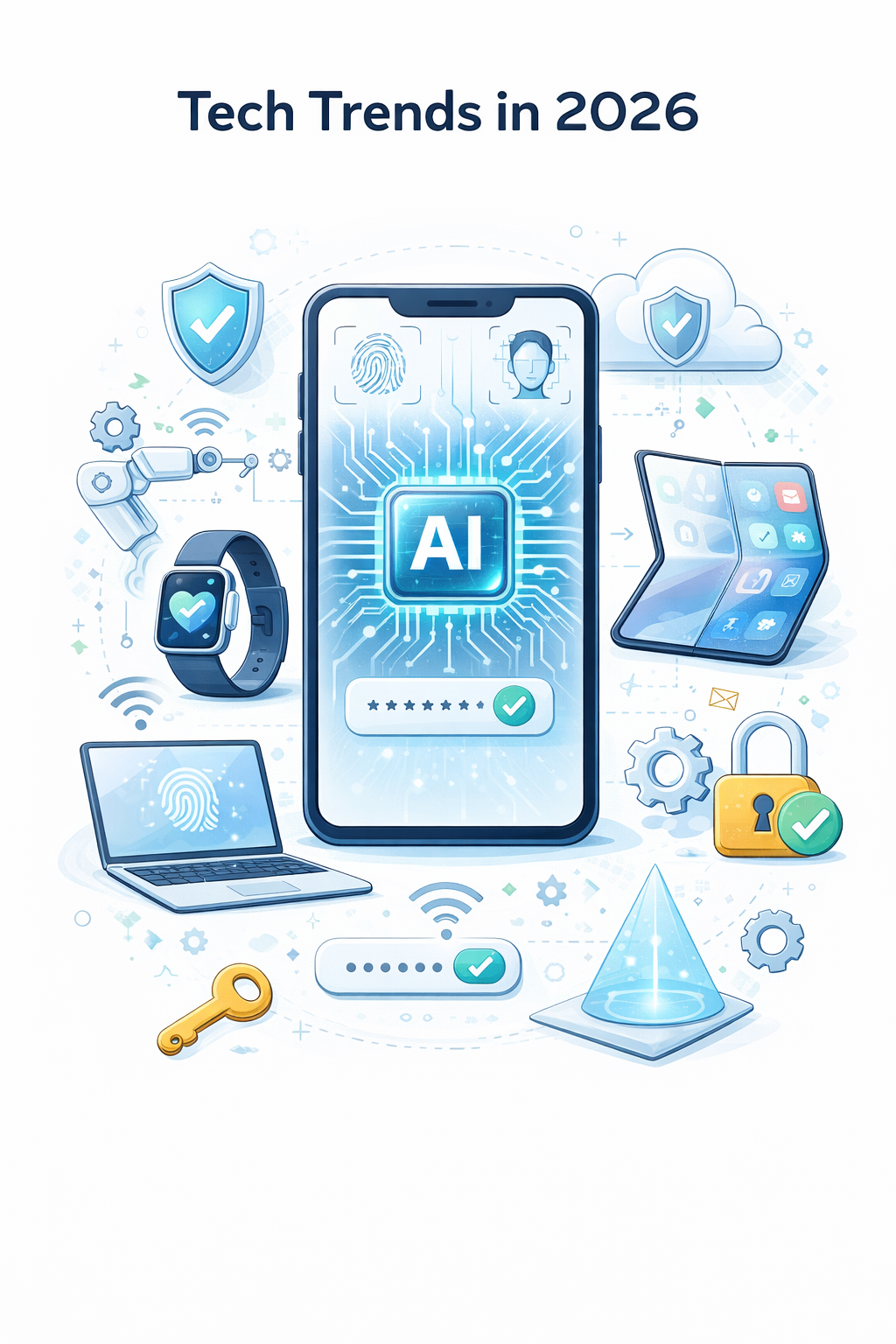
Technology in 2026 is no longer just about faster devices or bigger screens. The real shift is happening in how systems think, adapt, and interact with users. From AI-powered tools to invisible security layers, the newest trends are less about hardware—and more about experience.
AI Is Becoming Truly Practical
Artificial intelligence is no longer a “future concept.” It’s now deeply integrated into everyday tools and services. The biggest change? AI is moving from reactive to proactive.
Instead of waiting for user input, systems now:
Suggest actions before you search
Automatically optimize device performance
Generate content, replies, and even code in real time
Smart assistants are evolving into decision-making tools rather than simple voice-controlled features. This shift is especially visible in smartphones and productivity apps.
On-Device AI – Faster and More Private
One of the most important trends is the rise of on-device AI. Instead of sending data to the cloud, more processing happens directly on your phone or computer.
Benefits include:
Faster response times
Better privacy (data stays on your device)
Offline functionality
This is becoming standard in modern smartphones, especially in photo processing, voice recognition, and predictive typing.
Passwordless Future – The End of Traditional Logins
Passwords are slowly disappearing. In 2026, more platforms are switching to passwordless authentication methods.
The most common solutions include:
Biometric authentication (fingerprint, face recognition)
Passkeys stored on your device
Multi-device authentication systems
This reduces the risk of phishing and data leaks while making login processes faster and more user-friendly.
Foldables and New Form Factors
Smartphone design is evolving beyond the classic flat screen. Foldable devices are becoming more refined and durable.
Key improvements:
Stronger hinges and longer lifespan
Better app optimization for flexible screens
Reduced visibility of screen creases
Manufacturers are also experimenting with rollable displays and hybrid laptop-tablet designs.
AI in Cybersecurity – Fighting Threats in Real Time
Cybersecurity is entering a new phase where AI actively detects and blocks threats before they happen.
Modern systems can:
Identify unusual behavior instantly
Block suspicious login attempts automatically
Adapt security levels based on user activity
This is especially important as cyberattacks become more automated and sophisticated.
Smart Ecosystems Instead of Single Devices
Devices are no longer standalone. In 2026, the focus is on ecosystems—where smartphones, wearables, laptops, and smart home devices work together seamlessly.
Examples of integration:
Phone unlocking your laptop automatically
Smartwatch controlling home devices
Notifications synced across all devices in real time
The goal is simple: reduce friction and create a unified user experience.
Summary
The biggest technological changes in 2026 are not always visible at first glance. They happen in the background—through smarter systems, better integration, and improved security.
AI, privacy-focused processing, passwordless access, and connected ecosystems are shaping how we interact with technology every day.
The direction is clear: technology is becoming less noticeable—but far more powerful.