Why smartphone security is becoming the most important feature in 2026
Smartphones have evolved far beyond simple communication devices. Today, they store personal data, financial information, business documents, and access to entire digital ecosystems. As a result, security has become one of the most critical aspects of modern smartphones in 2026.
Manufacturers are no longer competing only on performance or camera quality — they are now investing heavily in protecting user data and preventing unauthorized access.
The rise of advanced mobile threats
As smartphones become more powerful, they also become more attractive targets for cybercriminals. Modern threats are no longer limited to simple malware. Users now face:
• phishing attacks targeting login credentials
• spyware designed to track user activity
• unauthorized access after device theft
These risks have pushed manufacturers to rethink how security is implemented at every level of the device.
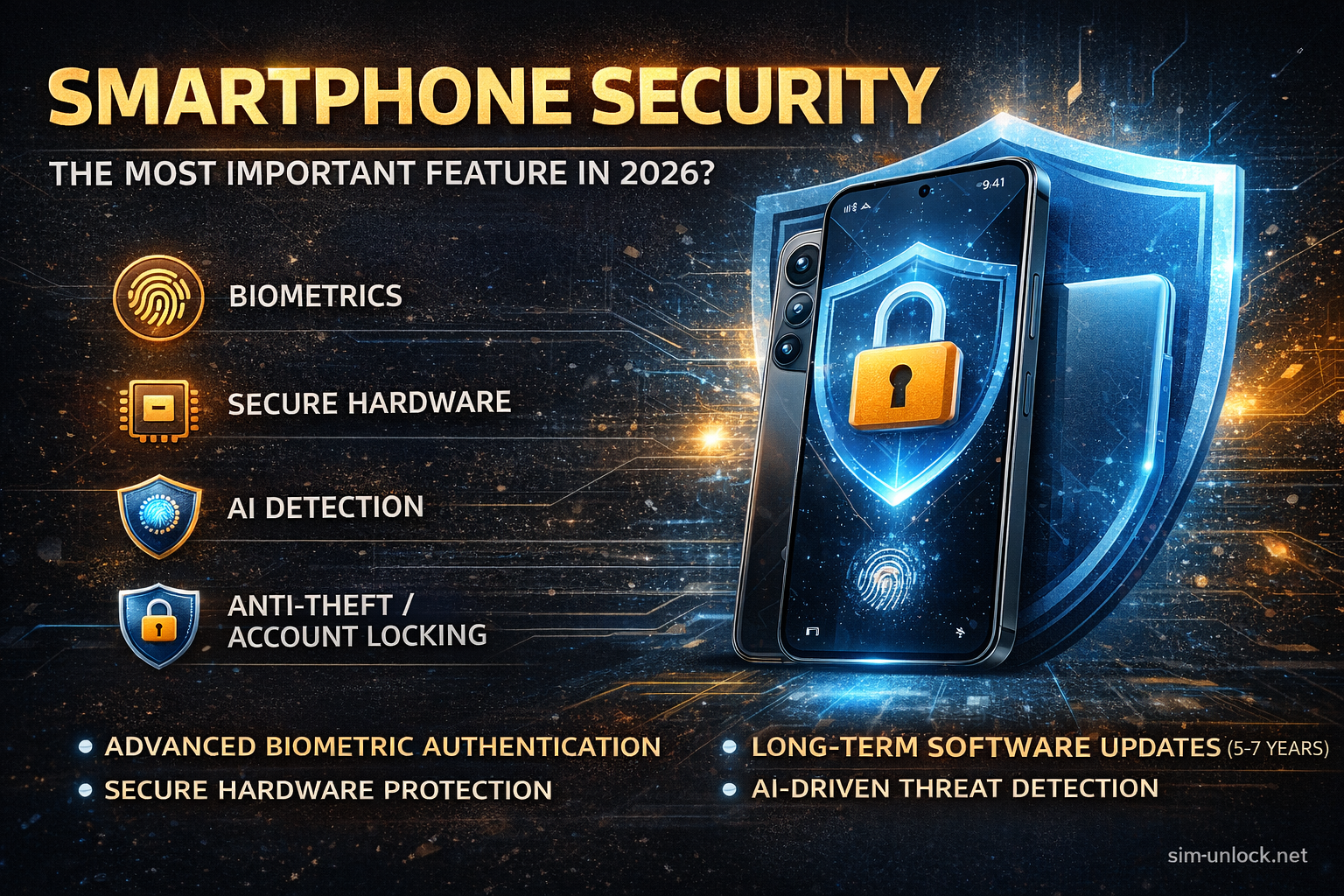
Biometric authentication is the new standard
Fingerprint sensors and facial recognition are now standard features across most smartphones. In 2026, these technologies are more accurate and faster than ever before.
Many devices now combine multiple authentication methods, increasing security while maintaining convenience for the user.
Hardware-level protection
Modern smartphones include dedicated security chips and secure enclaves that isolate sensitive data such as passwords and encryption keys.
This means that even if the main system is compromised, critical information remains protected. Hardware-based security is becoming a key differentiator between entry-level and premium devices.
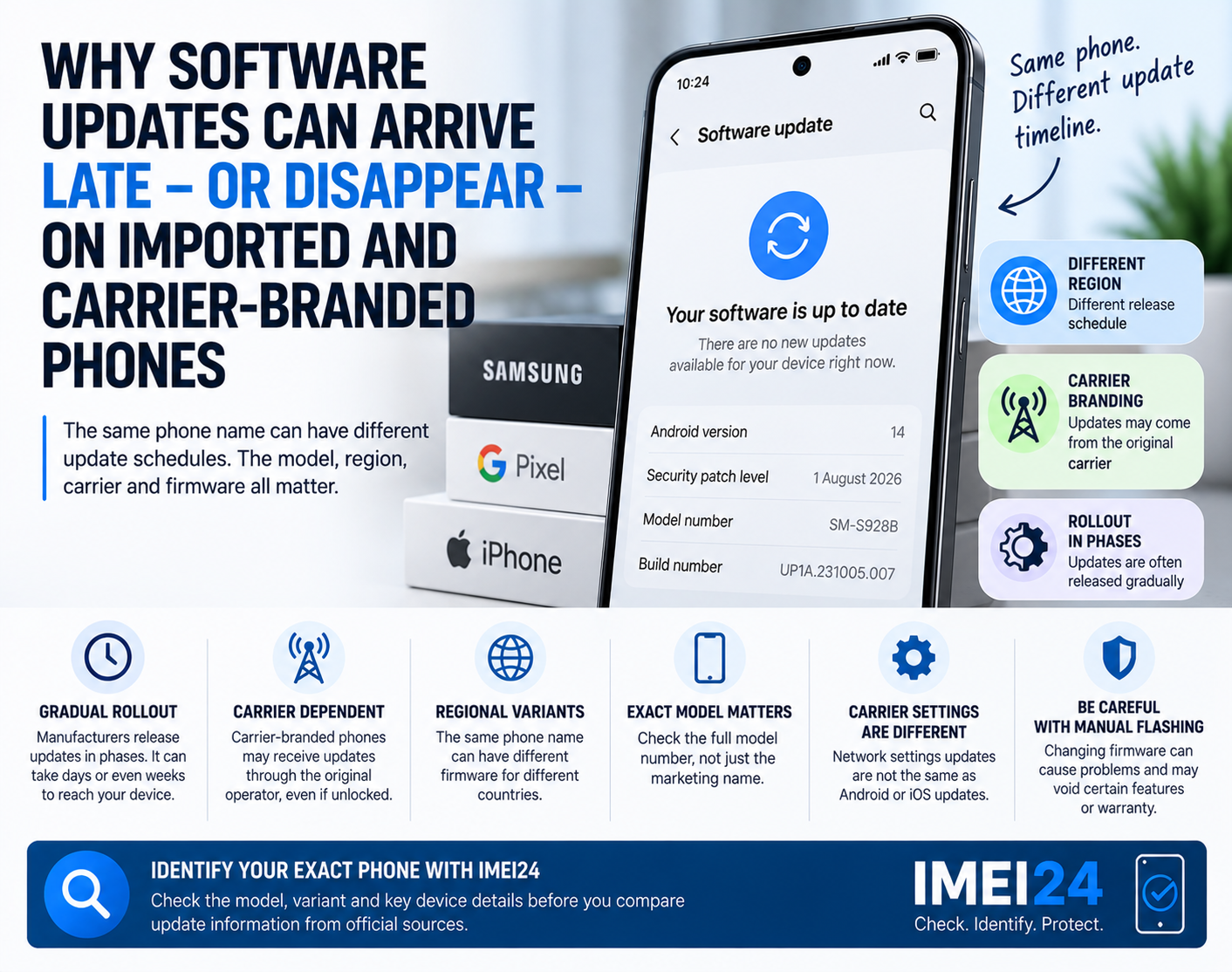
Long-term software support
Another major shift in the smartphone industry is extended software support. Leading manufacturers now offer up to 5–7 years of security updates.
Regular updates ensure that devices remain protected against newly discovered vulnerabilities, significantly extending their safe lifespan.
Anti-theft and account protection features
Features like Factory Reset Protection (FRP) and account-based locking systems have become standard across Android devices. These mechanisms prevent unauthorized use of a device after it has been reset.
While they enhance security, they also require users to manage their accounts carefully to avoid being locked out of their own devices.
AI-driven security
Artificial intelligence is now playing a growing role in smartphone security. Devices can detect unusual behavior patterns, identify potential threats, and automatically respond to suspicious activity.
This includes real-time protection against malicious apps, abnormal login attempts, and unauthorized data access.
The balance between security and usability
One of the biggest challenges for manufacturers is finding the right balance between strong security and ease of use. Too many restrictions can frustrate users, while too little protection exposes them to risk.
Modern smartphones aim to make security almost invisible — working in the background without interrupting the user experience.
What users should remember
Even with advanced technology, user behavior remains a critical factor in security. To stay protected, users should:
• use strong and unique passwords
• keep their devices updated
• avoid installing apps from unknown sources
Technology can provide protection, but awareness is just as important.
Final thoughts
In 2026, smartphone security is no longer optional — it is essential. As devices continue to replace traditional computers and store more sensitive data, the importance of protecting them will only grow.
Manufacturers are responding with stronger, smarter, and more integrated security solutions, shaping the future of mobile technology around trust and protection.
For users, understanding these changes is the first step toward staying safe in an increasingly connected world.