The Invisible Revolution: What Actually Changes Inside Modern Smartphones
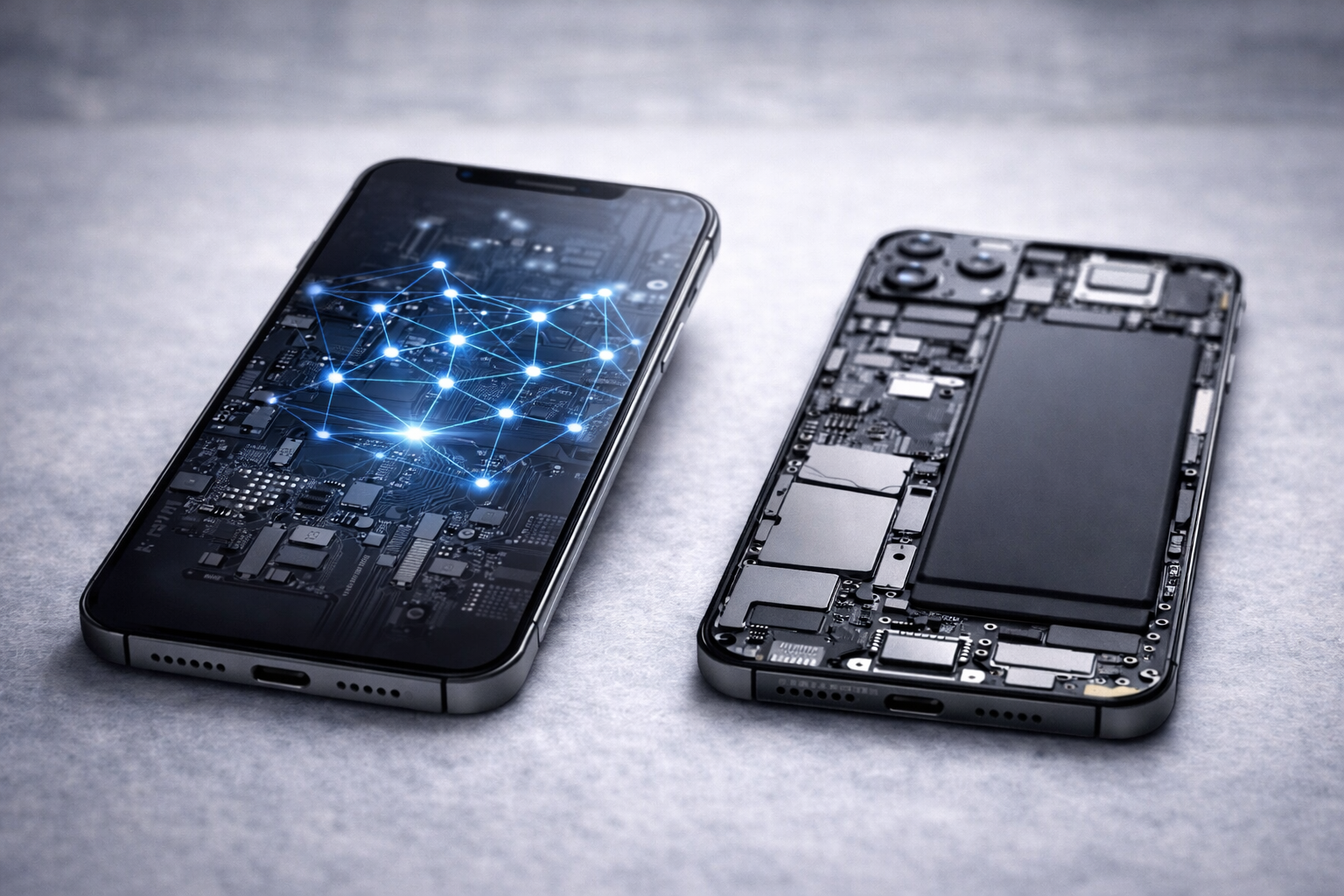
At first glance, modern smartphones may look almost identical to their predecessors. The screens are similar, the camera modules evolve gradually, and the overall design language feels familiar. Yet beneath the surface, significant changes continue to reshape how these devices function. The most important innovations today are not always visible — they are happening internally.
Smarter Power Management
Battery capacity numbers may not increase dramatically each year, but energy management systems have become far more sophisticated. Modern processors dynamically adjust power consumption based on usage patterns, reducing unnecessary background activity and optimizing performance when needed.
These improvements extend battery life without increasing physical size. Users may not notice the technical details, but they benefit from longer screen time and more consistent performance throughout the day.
Dedicated AI Processing Units
Many smartphones now include specialized AI or neural processing units built directly into the chipset. These components handle tasks such as image enhancement, voice recognition, predictive text, and real-time language processing.
Unlike traditional CPUs, these dedicated units operate efficiently and quickly, enabling complex operations without draining the battery excessively. Much of what feels “automatic” in modern phones is powered by these silent AI systems running in the background.
Improved Security Architecture
Security has also evolved internally. Secure enclaves and hardware-based encryption modules protect sensitive data such as biometric information and payment credentials. These components operate separately from the main operating system, reducing vulnerability to software-level attacks.
Biometric systems have become faster and more accurate, not just because of better sensors, but because of stronger internal processing and encryption standards.
Advanced Thermal Design
As performance increases, managing heat becomes more complex. Modern smartphones use improved internal materials, vapor chambers, and optimized chip layouts to distribute heat more efficiently.
Effective thermal control ensures sustained performance during gaming, video recording, and multitasking, preventing slowdowns that were more common in earlier generations.
Storage and Memory Efficiency
While storage capacity often dominates marketing headlines, internal memory speed and optimization are just as important. Faster storage standards reduce app loading times and improve system responsiveness.
Background memory management has also improved, allowing phones to handle multiple applications smoothly without excessive power consumption.
Connectivity Evolution
Connectivity hardware continues to advance as well. Improved antenna design, more stable wireless modules, and better signal processing enhance network reliability. Even small improvements in signal optimization can significantly affect everyday usability, especially in crowded environments.
These changes are subtle but meaningful, influencing how stable calls, streaming, and downloads feel in real-world conditions.
The Shift From Visible Innovation to Invisible Refinement
In earlier smartphone generations, innovation was often visible — new screen shapes, mechanical components, dramatic design changes. Today, refinement happens internally. The improvements focus on efficiency, reliability, and integration rather than spectacle.
This shift reflects a mature industry prioritizing long-term stability over dramatic experimentation.
Conclusion: The Real Progress Happens Inside
Smartphones may appear similar from year to year, but internal engineering continues to evolve rapidly. Power management, AI processing, security systems, and thermal design all improve quietly beneath the surface.
The invisible revolution inside modern smartphones may not always generate excitement, but it defines how reliable, efficient, and secure these devices have become. True innovation today is less about dramatic change — and more about precision refinement.